Education, health, nutrition, water, livelihoods and emergency relief reinforce each other. A child who is well, fed and safe can learn; a family with income can keep them in school.
Each area below describes the type of activity typically delivered. Confirm the organisation's actual programmes and remove anything not currently active.
Education
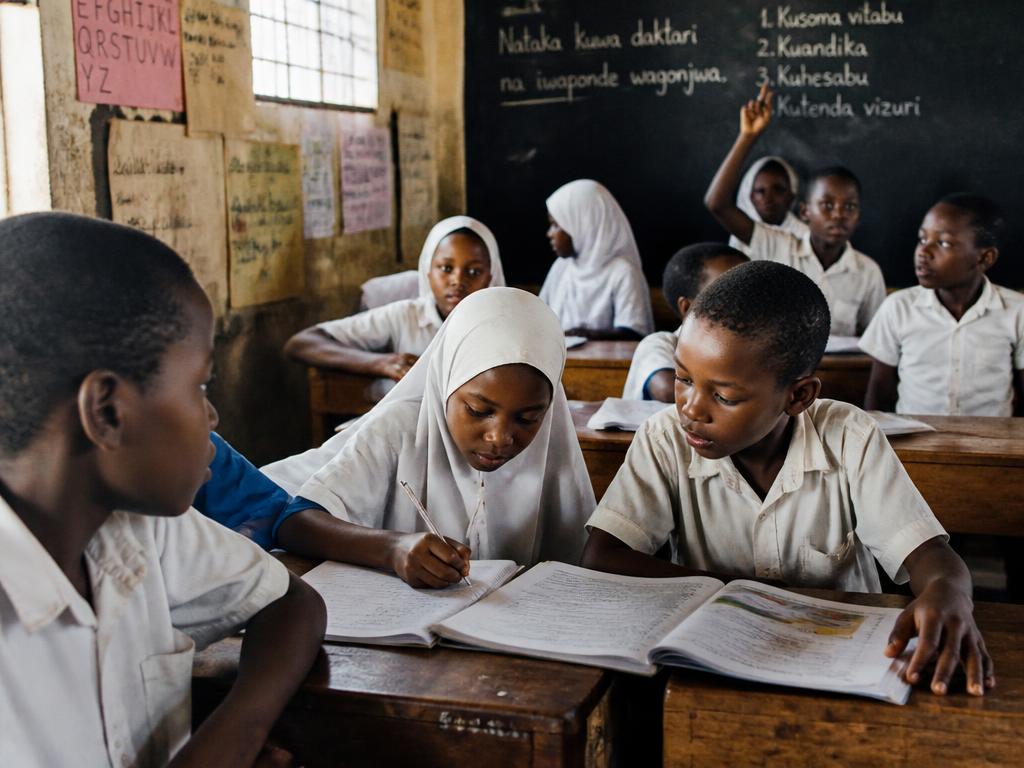
Helping children and young people access education, school materials, scholarships, training and opportunities for a better future.
Programme work can include school materials and uniforms, scholarship support, safe learning spaces, teacher support, catch-up classes and vocational pathways for out-of-school young people.
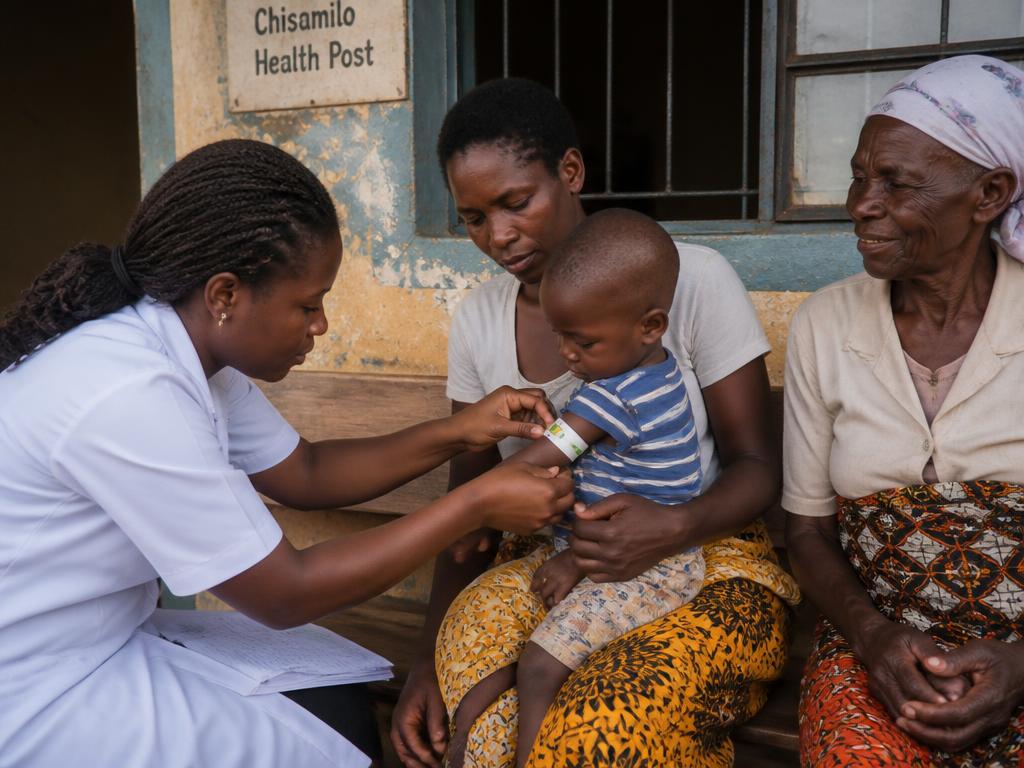
Supporting communities with essential healthcare, maternal and child health initiatives, medical assistance and health education.
Programme work can include community health outreach, maternal and newborn care, medical assistance for families who cannot afford treatment, immunisation support and preventative health education.
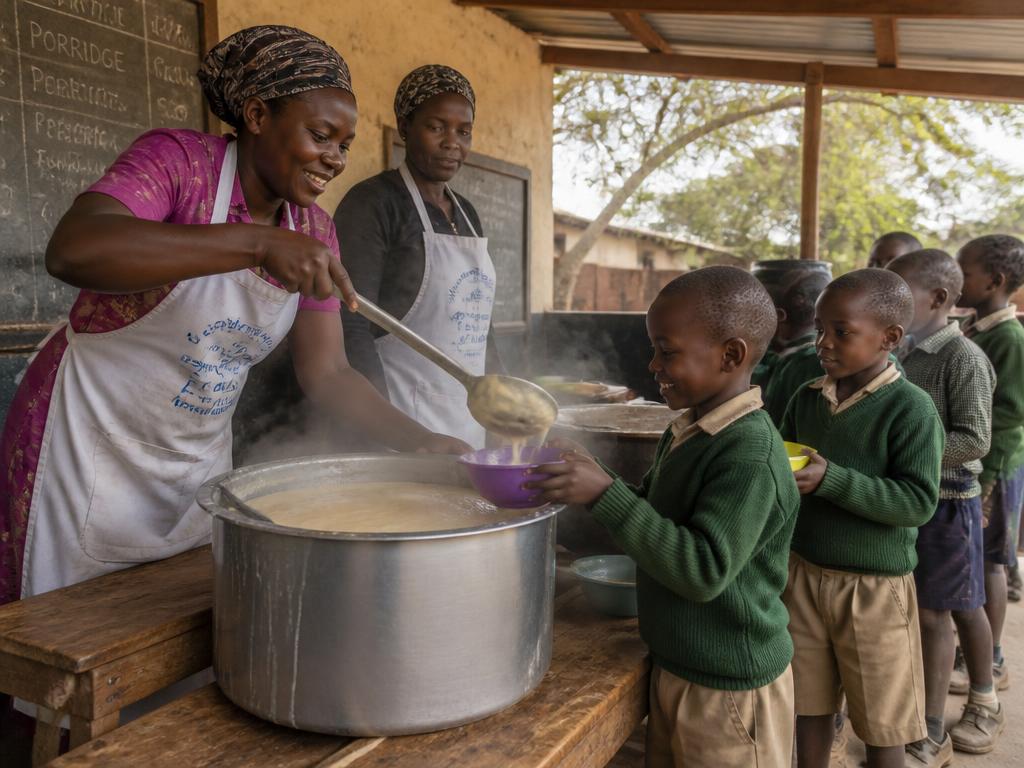
Helping vulnerable families and children access nutritious food while supporting longer-term food security.
Programme work can include nutrition support for children and mothers, school feeding, food parcels during shortages, and longer-term food security through farming inputs and training.
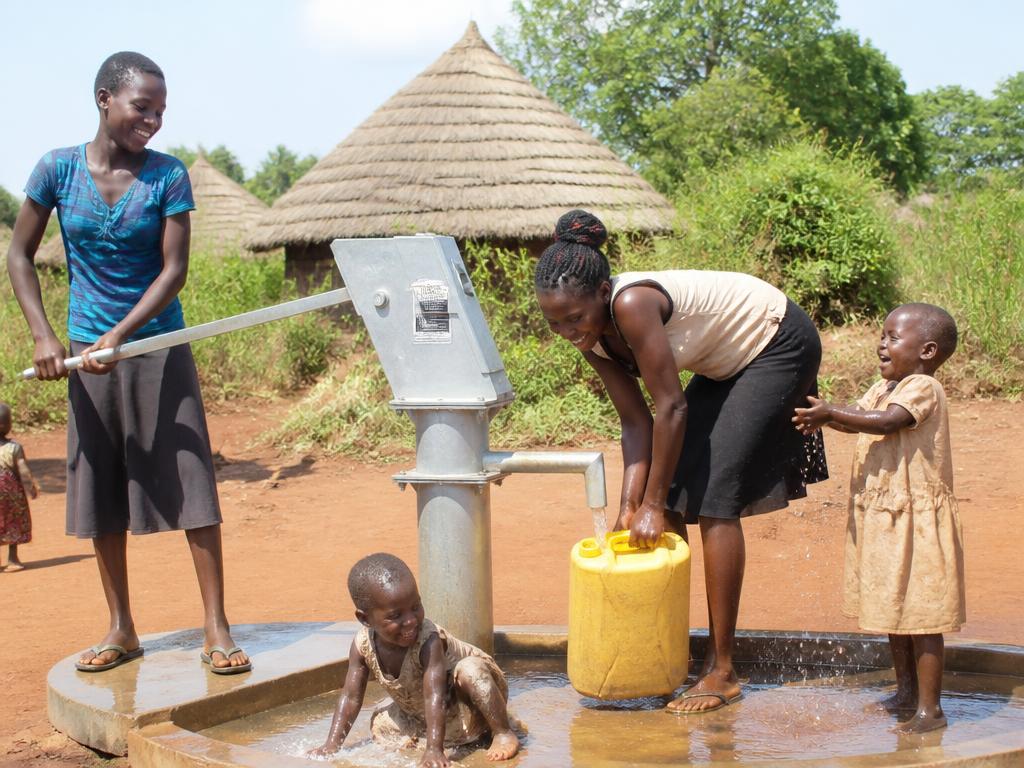
Improving access to safe drinking water, sanitation, hygiene education and healthier living conditions.
Programme work can include water points and boreholes, repair of broken infrastructure, household and school sanitation, hygiene promotion and community water management committees.
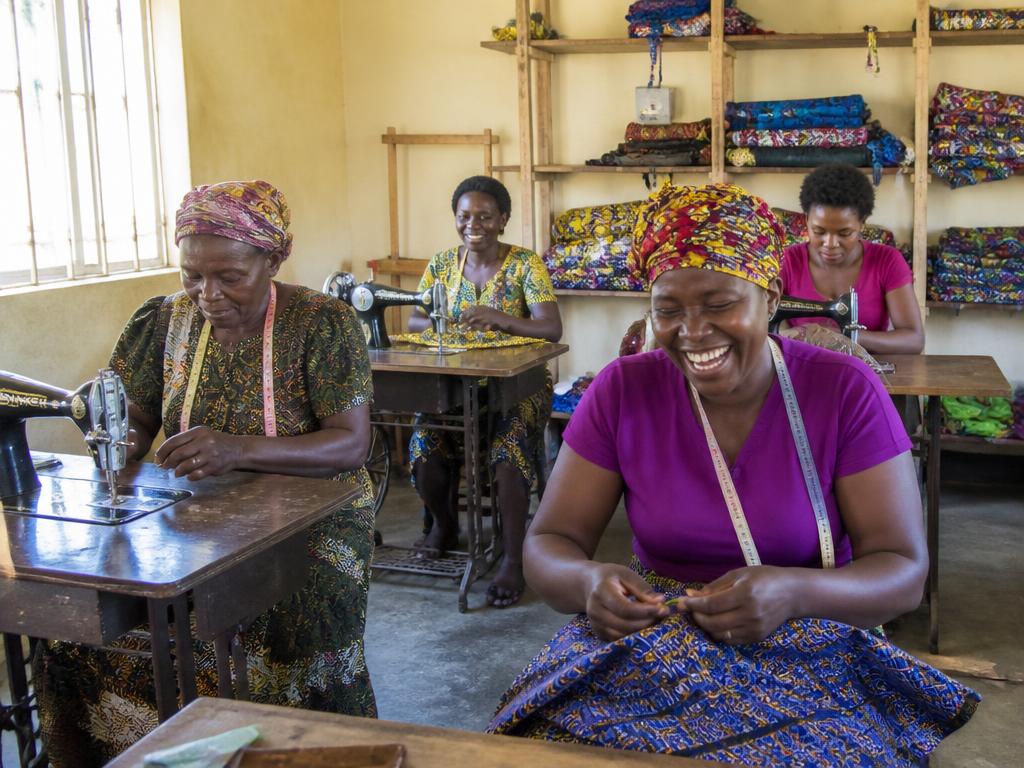
Supporting women and families through vocational training, entrepreneurship, income-generating opportunities and economic empowerment.
Programme work can include skills training, start-up support for small businesses, savings groups, financial literacy and mentoring so families can build stable, independent incomes.
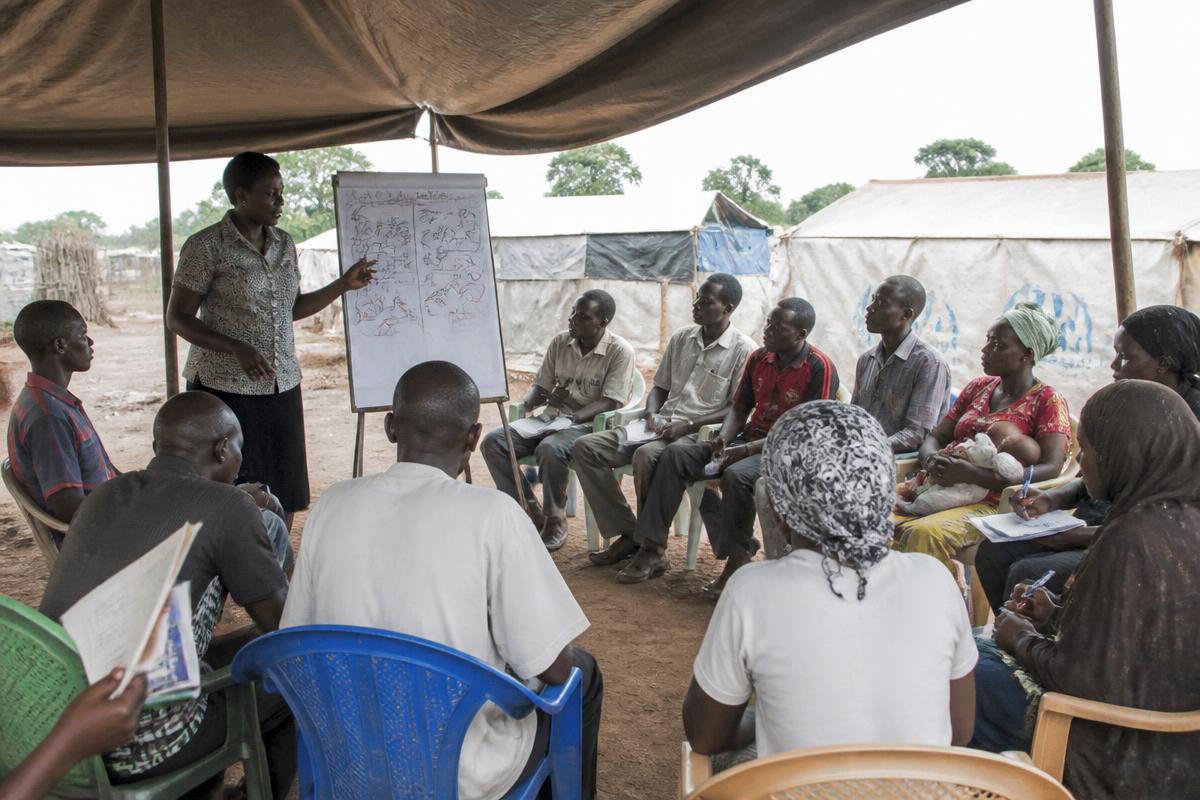
Training and protection support for refugees and displaced families — health awareness, protection, life skills and pathways to work.
Programme work in this sector can include health and hygiene awareness sessions, psychosocial support, protection and safeguarding awareness (including gender-based violence prevention and referral pathways), legal-rights and documentation orientation, language and literacy classes, and vocational or livelihood training so displaced people can rebuild independent lives. Delivery is planned with refugee-led groups, settlement authorities and local partners in each location.
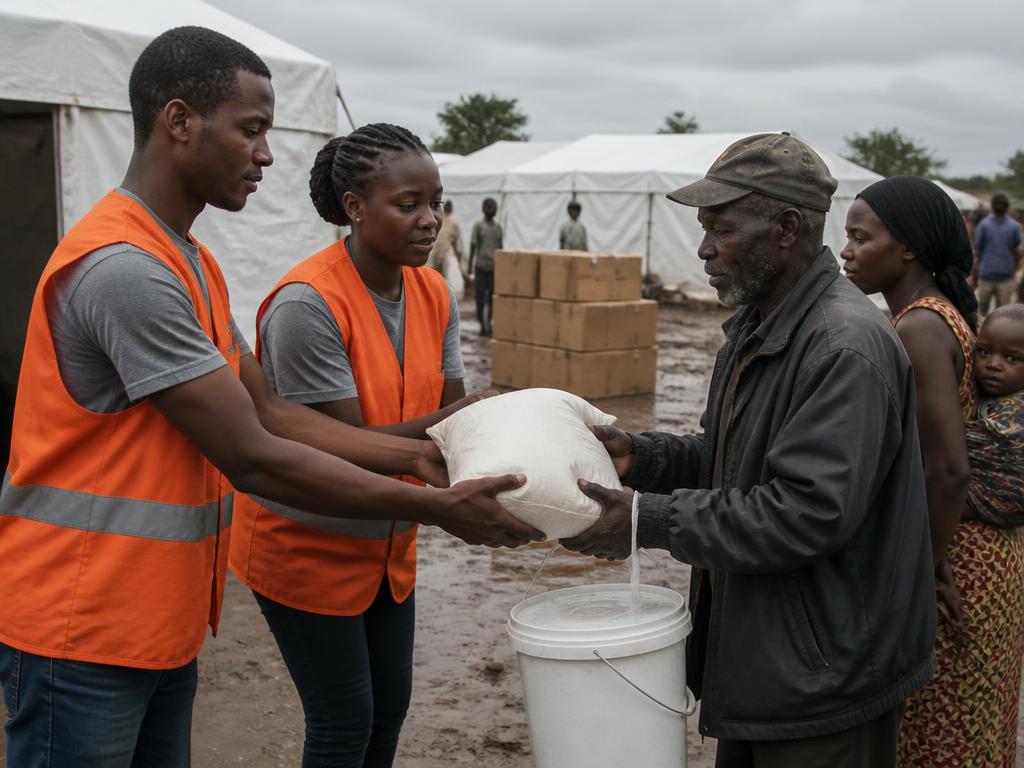
Providing humanitarian assistance to communities affected by emergencies, displacement, natural disasters and other crises.
Programme work can include emergency food, water and shelter items, support for displaced families, and working with local partners so response reaches people quickly and safely.
Requires NGO confirmation: Programme descriptions are drafted from the organisation's stated focus areas and have not been verified against real activity, budgets or partners.
Your support turns intention into opportunity.
Give once or give monthly. Every gift is directed to the programme areas the organisation runs, and reporting is shared openly with supporters.